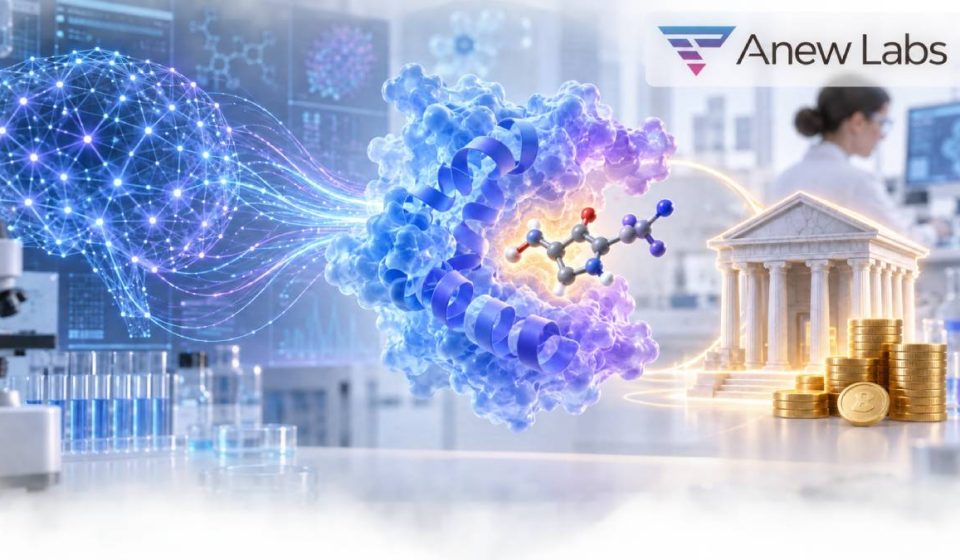
Anew Labs, the AI drug discovery company spun out of TikTok owner ByteDance, has reportedly completed a $290 million first independent financing round. China’s PEdaily reported the raise citing sources; Reuters separately reported the same amount based on two people familiar with the transaction. One Reuters source put Anew Labs’ valuation after the round at $1.5 billion.
The reported investor list includes HSG, formerly Sequoia China; IDG Capital; Hillhouse’s venture arm, GL Ventures; 5Y Capital; and Gaorong Ventures. Reuters also named Primavera Venture Partners, Boyu Capital, SBP Group and the state-backed Shanghai Future Industries Fund. The financing and valuation have been reported by news outlets and sources close to the deal; ByteDance and the investors had not publicly confirmed the details when Reuters sought comment. Reuters
The round follows ByteDance’s reported decision in June to separate its AI drug discovery operation from the broader company. The business traces back to an internal team assembled in 2021 under Kai Liu, bringing together AI researchers and pharmaceutical scientists. Chinese business publication Yicai reported that the core group numbered about 50 people and that its algorithms and drug programs moved into the new company. Reuters’ sources said ByteDance would retain a 56% stake after the financing.
The separation has a practical rationale. Developing a medicine demands laboratory validation, preclinical testing and, eventually, clinical evidence—work measured on a different timetable from a consumer technology product. An independent Anew Labs can raise capital and build a team around that development cycle while ByteDance remains its majority owner. That is an inference from the reported structure, rather than a stated use of the proceeds.
Anew Labs is pursuing more than software tools. According to Reuters’ account of the company’s website, its work spans biomolecular structure prediction, antibody design and drug discovery, alongside an early drug pipeline. The financing gives those programs substantial backing, but their scientific and commercial value will depend on how candidates perform in experiments and, ultimately, in patients.
References